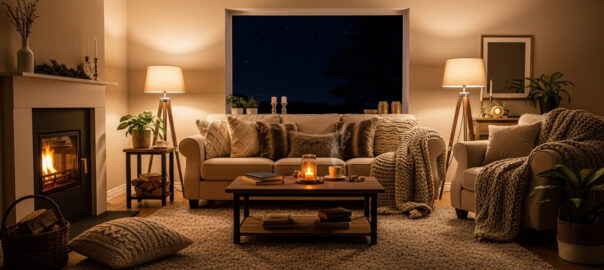
At Premier Lighting, we believe great lighting does more than brighten a room—it transforms how you live in it. The right lighting setup can make your home feel more inviting, functional, and personalized to your lifestyle.
One of the most effective ways to achieve this is through layered lighting. Whether you’re starting a renovation or simply upgrading fixtures, many homeowners visit lighting stores looking for inspiration—but understanding how to layer lighting is what truly brings a space together.
In this guide, we’ll walk you through everything you need to know to create a perfectly lit home using layered lighting.
What Is Layered Lighting and Why Does It Matter?
Layered lighting is a design approach that combines multiple light sources to create a balanced and flexible environment. Instead of relying on a single overhead fixture, it uses a mix of ambient, task, and accent lighting to enhance both function and style.
This approach not only improves how your home looks but also how efficiently it operates. According to the U.S. Energy Information Administration, lighting typically accounts for 10%–15% of a home’s electricity usage, with LEDs saving households an average of $225 annually. By choosing energy-efficient fixtures and thoughtfully layering your lighting, you can reduce energy costs while improving overall comfort.
Layered lighting also gives you control over mood and atmosphere. From bright, energizing mornings to soft, relaxing evenings, your lighting can adapt to your needs throughout the day.
The Three Essential Layers of Lighting
To create a well-balanced lighting design, it’s important to incorporate three core layers:
Ambient Lighting:
This is the foundation of your lighting plan. Ambient lighting provides general illumination and ensures your space is evenly lit. Common sources include ceiling fixtures, chandeliers, and recessed lights.
Task Lighting:
Task lighting focuses on specific areas where activities like reading, cooking, or working take place. Examples include desk lamps, under-cabinet lighting, and vanity lights.
Accent Lighting:
Accent lighting adds depth and highlights key features such as artwork, architectural details, or décor. Wall sconces, track lighting, and picture lights are great options for this layer.
When these three elements work together, they create a space that is both functional and visually dynamic.
How Layered Lighting Elevates Your Home
Layered lighting offers benefits that go far beyond basic illumination. It enhances visibility for everyday tasks while also adding dimension and character to your home.
By incorporating multiple light sources, you eliminate dark corners and create a more comfortable environment. At the same time, accent lighting allows you to showcase the design features that make your home unique.
Many homeowners come to lighting stores looking for individual fixtures, but the real transformation happens when those fixtures are thoughtfully combined into a cohesive lighting plan. With the right approach, lighting becomes a design feature rather than just a necessity.
Choosing the Right Fixtures and Styles
Selecting the right fixtures is essential to achieving the look and functionality you want. The style of your lighting should complement your home’s design while also meeting practical needs.
Modern spaces often feature sleek pendants, recessed lighting, and minimalist fixtures, while traditional homes may include chandeliers and decorative sconces. No matter your aesthetic, it’s important to choose fixtures that balance form and function.
Energy-efficient LED options are always a smart investment, offering long-term savings and performance. When exploring lighting stores, pay attention to fixture scale, finish, and light output to ensure everything works harmoniously within your space.
Color temperature is another key consideration. Warmer tones create a cozy atmosphere, while cooler tones are better suited for task-oriented areas like kitchens and offices.
Planning Your Layered Lighting Design
A successful lighting plan starts with understanding how each room is used. Consider the size of the space, the amount of natural light available, and the activities that take place there.
Begin by mapping out where ambient, task, and accent lighting will be placed. For example, a kitchen might include overhead lighting for general illumination, under-cabinet lighting for food prep, and accent lighting to highlight design elements.
Incorporating dimmers or smart lighting systems allows you to adjust brightness levels throughout the day, giving you greater flexibility and control.
Proper installation is equally important. While some updates can be handled on your own, more complex projects may require professional assistance to ensure safety and optimal performance.
Room-by-Room Layered Lighting Tips
Room-by-room lighting design ensures that every space in your home is both functional and visually cohesive. Instead of applying a one-size-fits-all approach, layered lighting allows you to tailor brightness, placement, and fixture style to the specific needs of each area. High-traffic spaces may require brighter, more durable lighting solutions, while relaxation zones benefit from softer, more adjustable options. By thinking intentionally about how each room is used, you can create a seamless flow throughout your home. Many homeowners find that visiting lighting stores helps them visualize these differences and discover fixtures that suit each unique space perfectly.
Living Room:
Use a mix of overhead lighting, table lamps, and floor lamps to create a warm and inviting space. Accent lighting can highlight artwork or architectural features.
Kitchen:
Bright, functional lighting is key. Combine ambient ceiling lights with task lighting like under-cabinet fixtures and pendant lights over islands.
Bedroom:
Focus on soft, relaxing lighting. Bedside lamps and dimmers help create a calming environment.
Bathroom:
Even, shadow-free lighting around mirrors is essential for grooming tasks, paired with overhead lighting for general use.
Outdoor Areas:
Extend your living space with pathway lighting, patio fixtures, and accent lighting for landscaping features.
Taking a layered approach in each room ensures your home is both practical and visually cohesive.
Common Layered Lighting Mistakes to Avoid
Even well-designed spaces can fall short if lighting isn’t planned carefully. One of the most common mistakes is relying on a single light source, which can leave rooms feeling flat and underlit.
Another issue is overlooking energy efficiency. Choosing outdated or inefficient bulbs can increase energy costs and reduce performance. Skipping dimmers or smart controls also limits your ability to adjust lighting to suit different moods and activities.
Finally, improper fixture placement or sizing can disrupt the balance of a room. Visiting lighting stores and working with knowledgeable professionals can help you avoid these pitfalls and achieve better results.
Bring Your Lighting Vision to Life
Layered lighting is one of the most impactful ways to enhance your home’s comfort, functionality, and style. By combining ambient, task, and accent lighting, you can create a space that adapts to your lifestyle while highlighting the features you love most.
At Premier Lighting, we’re here to help you every step of the way. From expert guidance to a wide selection of high-quality fixtures, we make it easy to design a lighting plan that works for your home.
If you’re ready to get started, visit one of our lighting stores or explore our collection online. Let’s create a space that looks as good as it feels.

